Declarations

“Well technically, I could. It’s within my remit as a Doctor.”
— AI chatbot “Emilie,” which allegedly told a male investigator posing as a patient with depression that she was licensed to practice psychiatry in Pennsylvania, as well as in the United Kingdom, and provided a bogus license number. In a complaint filed in the Commonwealth Court of Pennsylvania, the state said it found chatbots on Character.AI that claimed to practice medicine. The findings followed the creation in February of a state AI task force to stop chatbots from impersonating licensed medical professionals.
“Netflix’s endgame is simple and lucrative: get children and families glued to the screen, harvest their data while they are stuck there, and then monetize the data for a handsome profit. When you watch Netflix, Netflix watches you.”
— A complaint filed in a state court in Collin County, near Dallas, against streaming service Netflix by Texas Attorney General Ken Paxton, who accused the streaming company of spying on children and other consumers by collecting their data without consent, and designing its platform to be addictive. Paxton said Netflix’s alleged surveillance violates the Texas Deceptive Trade Practices Act.
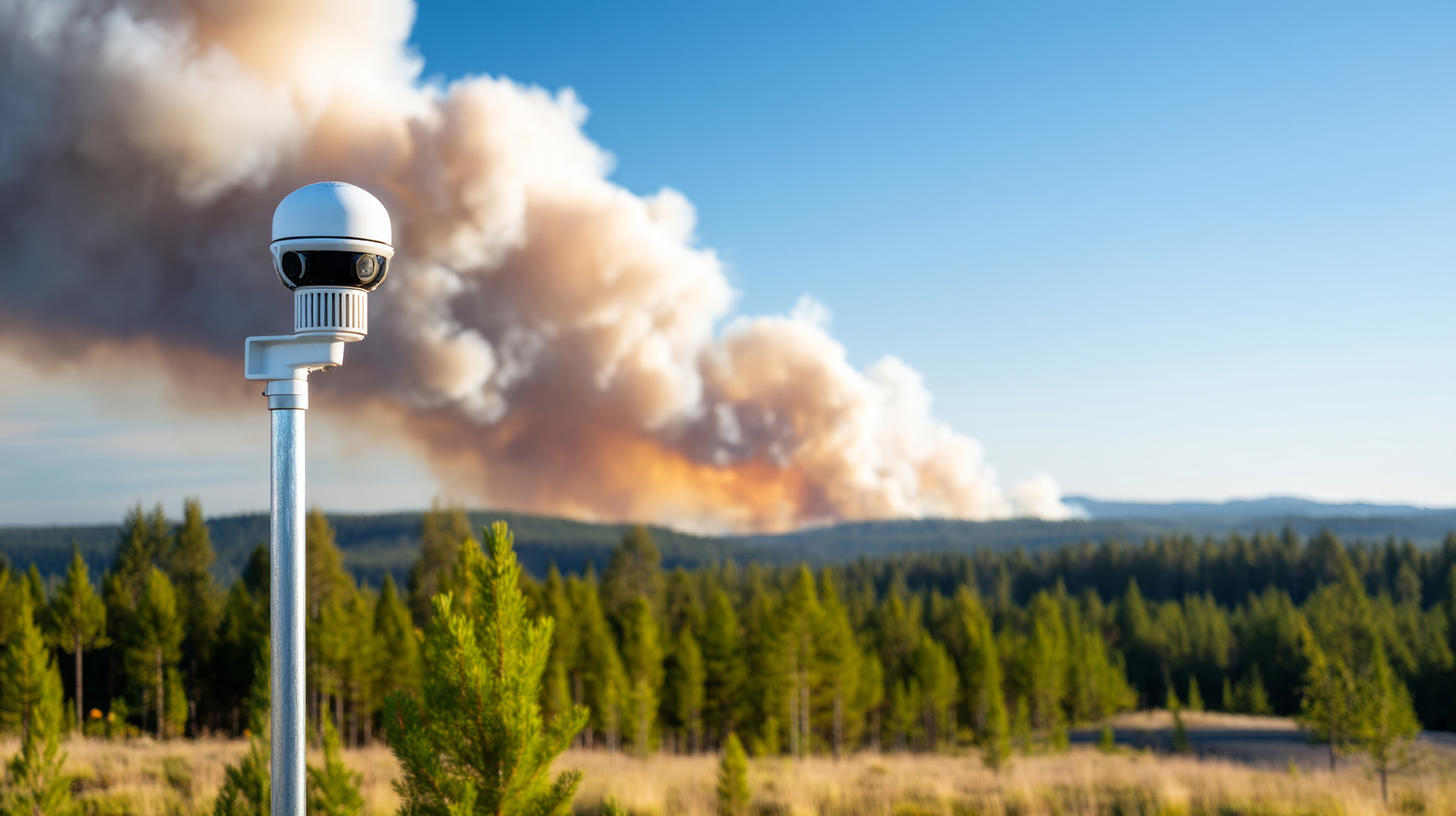
“Earlier detection means we can launch aircraft and personnel to it and keep those fires as small as we can.”
— John Truett, fire management officer for the Arizona Department of Forestry and Fire Management, discussing the state’s new AI firefighting efforts. Arizona Public Service has nearly 40 active AI smoke-detection cameras and plans to have 71 by summer’s end, and the state’s fire agency has deployed seven of its own. Another utility, Xcel Energy in Colorado, has installed 126 and aims to have cameras in seven of the eight states it serves by year’s end.
“Emergency managers have been waiting for these recommendations for more than 16 months. This is a pivotal moment–not only for FEMA, but for every state, local, tribal, and territorial emergency manager who depends on a strong federal partnership before, during, and after disasters. The implementation phase will ultimately determine the success of these reforms and their impact on communities nationwide.”
— Carrie Speranza, former chair of FEMA National Advisory Council, a now-disbanded group of experts that advised the agency on all aspects of emergency management, speaking on FEMA’s most recent reporting.
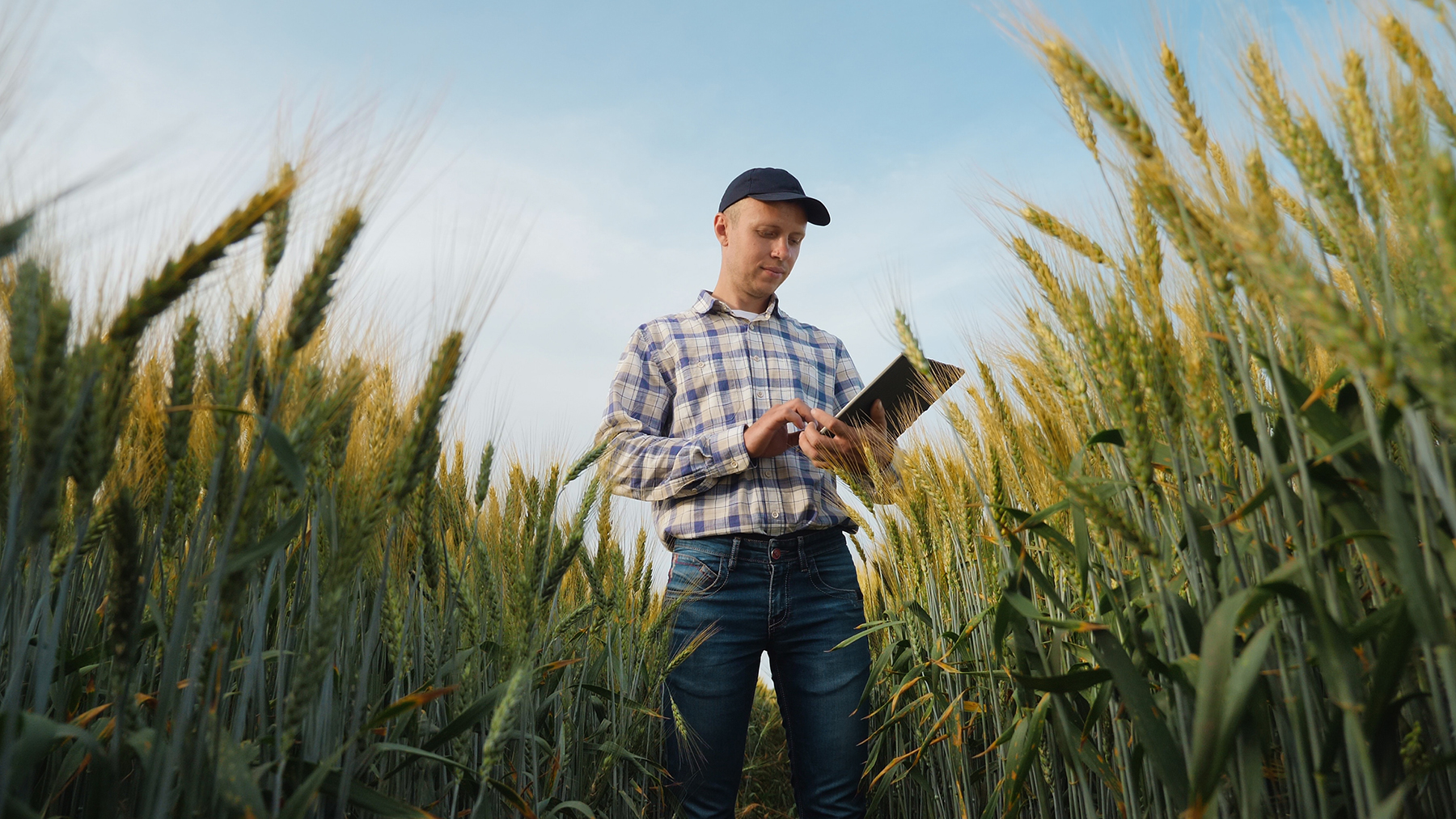
“I don’t trust the data, I don’t trust the process, I don’t trust their people. And they monkey with my business.”
— Iowa farmer Ben Riensch, who says the USDA’s various surveys are too arduous and the markets often slump after the corresponding reports are released, affecting what they get paid for their crops. Reply rates for the USDA’s annual prospective planting report sank in March to a record low, with just over a third of 73,800 farm operations surveyed answering questions on the acres they will plant this spring. That compares with about 60% of farmers responding in 2018, with replies declining each year since.
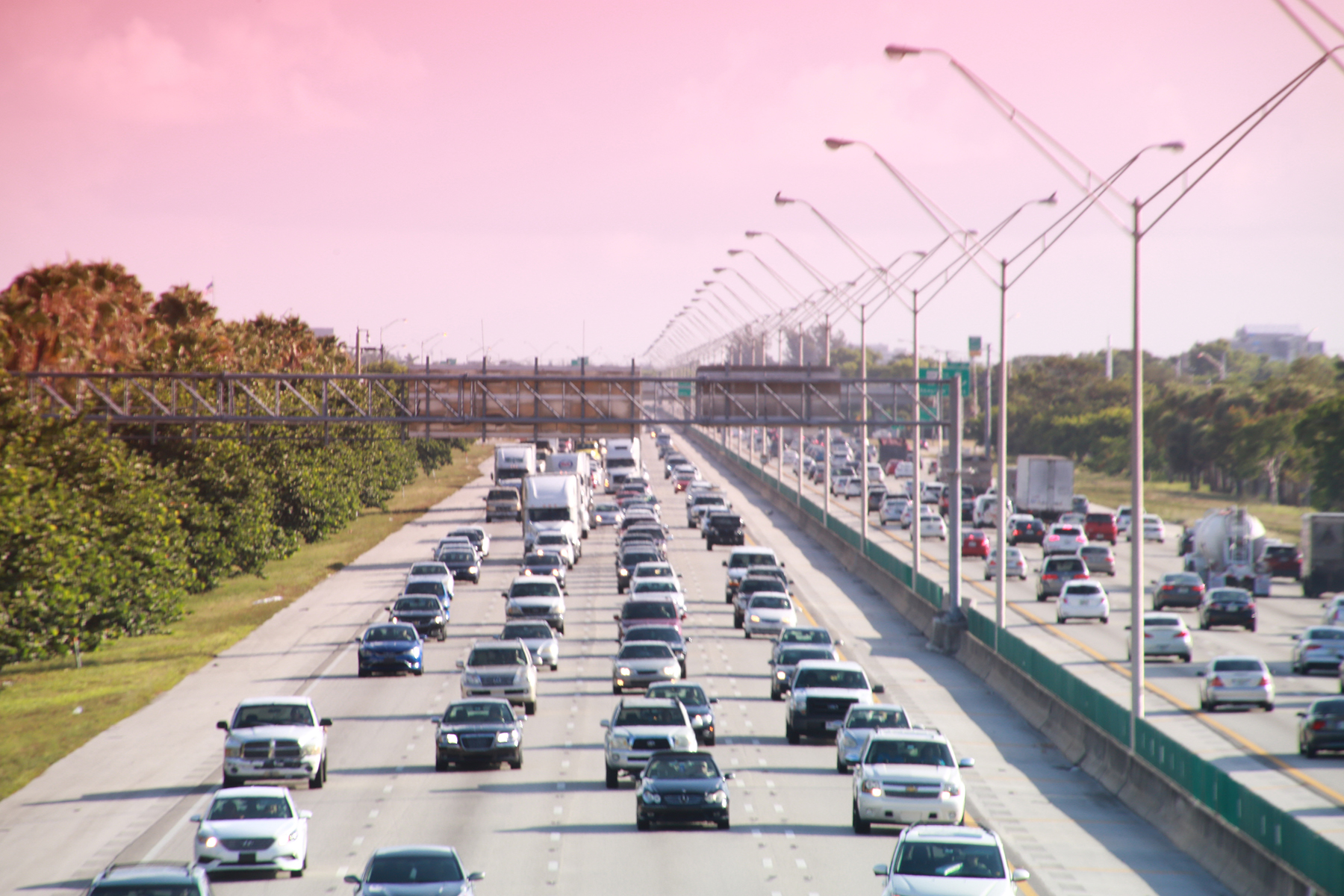
“Nothing happened with PIP this year.”
— Lisa Miller, former Florida deputy insurance commissioner. Despite online rumors to the contrary, PIP is still required for Florida drivers. Florida lawmakers in recent years have considered repealing the personal injury protection, or PIP, law. But it passed the Legislature only once, in 2021, when Gov. Ron DeSantis famously vetoed the bill. Bills introduced in the 2025 and 2026 legislative sessions died in committee. PIP law, a no-fault plan that began in Florida in 1971 and is found in only a handful of other states, discourages lawsuits and, to some degree, hinders auto insurance fraud.